The Houston Market in 2026
The Houston housing market has shifted meaningfully heading into 2026, and that shift changes the math for anyone deciding between buying an existing home and building new. The average existing home price in the Houston metro sits at approximately $314,000, down about 1.6 percent year over year. Inventory has climbed to 35,128 active listings, a 15.2 percent increase from the previous year, giving buyers more options and more negotiating power than they have had since before the pandemic.
At the same time, mortgage rates have dropped to 40-month lows, making both buying and building more accessible from a monthly payment perspective. These conditions create a unique moment where both paths have genuine advantages.
What You Get When You Buy Existing
Purchasing an existing home offers speed and certainty. You can close in 30 to 45 days, move in immediately, and live in an established neighborhood where you already know the schools, commute times, and neighbors. There is no construction timeline to manage, no draw schedule to fund, and no risk of weather delays or material shortages.
The increased inventory in Houston means you have better selection than you have had in years. Sellers in many submarkets are offering concessions, covering closing costs, and pricing competitively. If your primary goal is to be in a home quickly and you are flexible on layout and finishes, buying makes practical sense.
However, an existing home comes with compromises. You inherit someone else's floor plan, their mechanical systems (which may be aging), their cosmetic choices, and potentially deferred maintenance. Renovation costs to bring an older home up to your standards can easily reach $50,000 to $150,000, and you still will not have the structural and energy-efficiency advantages of new construction.
What You Get When You Build
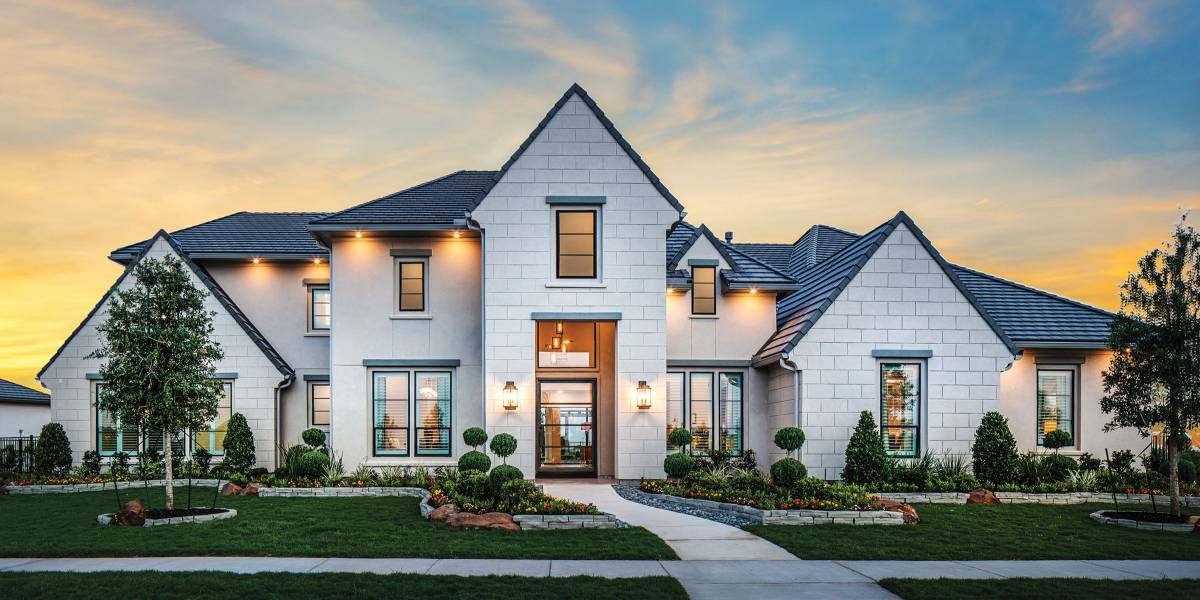
Building custom gives you complete control over every aspect of your home. You choose the lot, the orientation, the floor plan, the ceiling heights, the materials, and the mechanical systems. There is no compromise on layout because the home is designed around the way you actually live.
New construction in 2026 also means modern energy efficiency built in from day one. Spray-foam insulation, high-SEER HVAC systems, low-E windows, and LED lighting throughout can reduce your utility bills by 30 to 50 percent compared to a home built even 10 years ago. Every system is new, which means your maintenance costs for the first several years are essentially limited to routine upkeep.
You also get a full builder warranty, typically one year on workmanship, two years on mechanical systems, and ten years on structural components. That peace of mind has real financial value when you compare it to the cost of replacing an aging roof, HVAC, or water heater in an existing home.
The Numbers Side by Side
Consider a family looking for a 2,800-square-foot four-bedroom home in the Katy or Cypress area. An existing home in good condition in a desirable subdivision will list between $350,000 and $420,000. After inspections, you might negotiate the price down, but you may also discover $15,000 to $30,000 in needed repairs or upgrades.
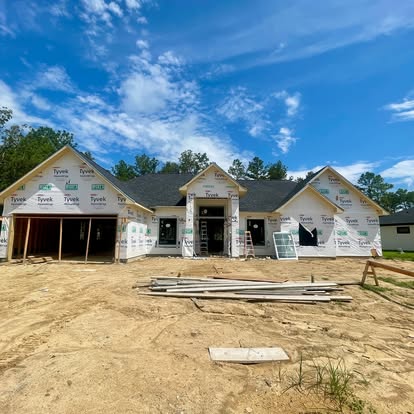
Building a comparable home at the premium tier runs approximately $175 to $200 per square foot for construction, putting the build cost between $490,000 and $560,000. Add a lot at $90,000 to $150,000, soft costs at 10 percent, and you are looking at a total investment between $630,000 and $770,000.
On paper, building costs more upfront. But the break-even analysis favors new construction over a 7-to-10-year horizon when you factor in lower energy bills, minimal maintenance, no immediate renovation costs, and the higher appraisal value of a modern custom home.
Why 2026 Is a Good Year to Build
Several factors make 2026 a particularly favorable time for custom home construction in Houston. Mortgage rates near multi-year lows reduce your carrying costs during the build phase and your long-term payment. Increased lot availability in master-planned communities means better selection and more competitive land pricing. Supply chain disruptions that plagued builders in 2021 through 2023 have largely stabilized, and contractor availability has improved as the market has normalized.
If you have been waiting for the right time to build, the combination of lower rates, stable material costs, and strong lot inventory makes a compelling case to move forward.
Making Your Decision
There is no universally correct answer. If you need to be in a home within 60 days, buying is the practical choice. If you have a 6-to-12-month horizon and want a home built exactly to your specifications with modern efficiency and full warranty coverage, building delivers better long-term value.
Want to compare the numbers for your specific situation? Schedule a free consultation with our team and we will walk you through a personalized build-versus-buy analysis. You can also explore our Cost Calculator to get an instant estimate for your custom build.